

Multi-lodge means three separate lodges over seven nights in the Futaleufú Valley, not a different bed every night. That’s the actual trip: three nights at the first lodge, three at the second, and one final night at the third before the short ride to the airport the next morning, no five a.m. wake-up required. The one night guests spend at the Wyndham in Puerto Varas, before or after that stretch, isn’t part of the multi-lodge count; it’s a beautiful hotel stay at the beginning of the trip.
We explain this on the phone, months before anyone ever sets foot in Puerto Varas, because it’s one of the first misconceptions guests have. People hear “multi-lodge” and picture something closer to a moving circus: a new bed, a new suitcase to unpack, a new goodbye to a place they just got comfortable in, every single night for a week. That’s not what this is, and by the time someone lands in Chile, they already know it.
What a Multi-Lodge Rafting Trip Actually Feels Like
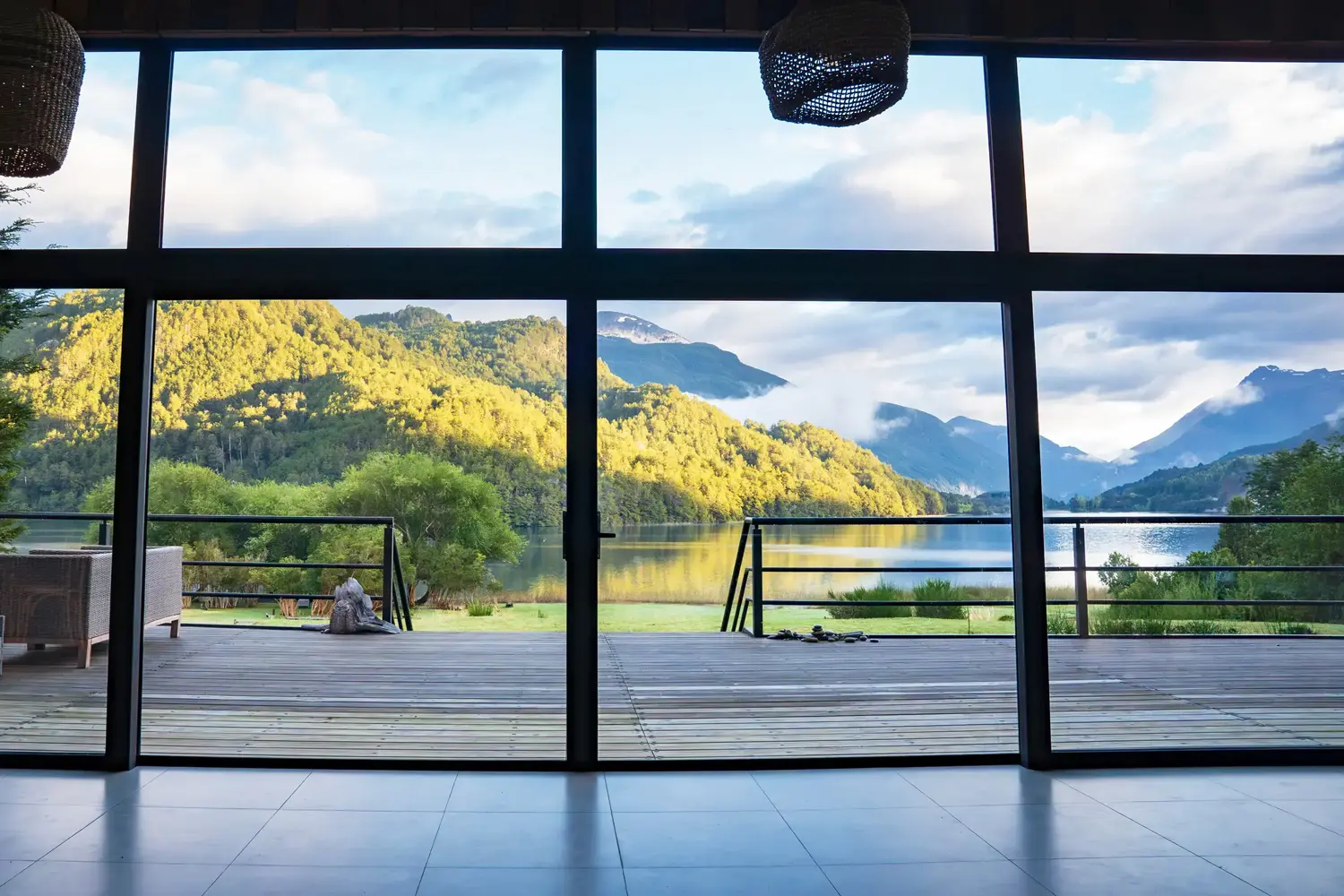
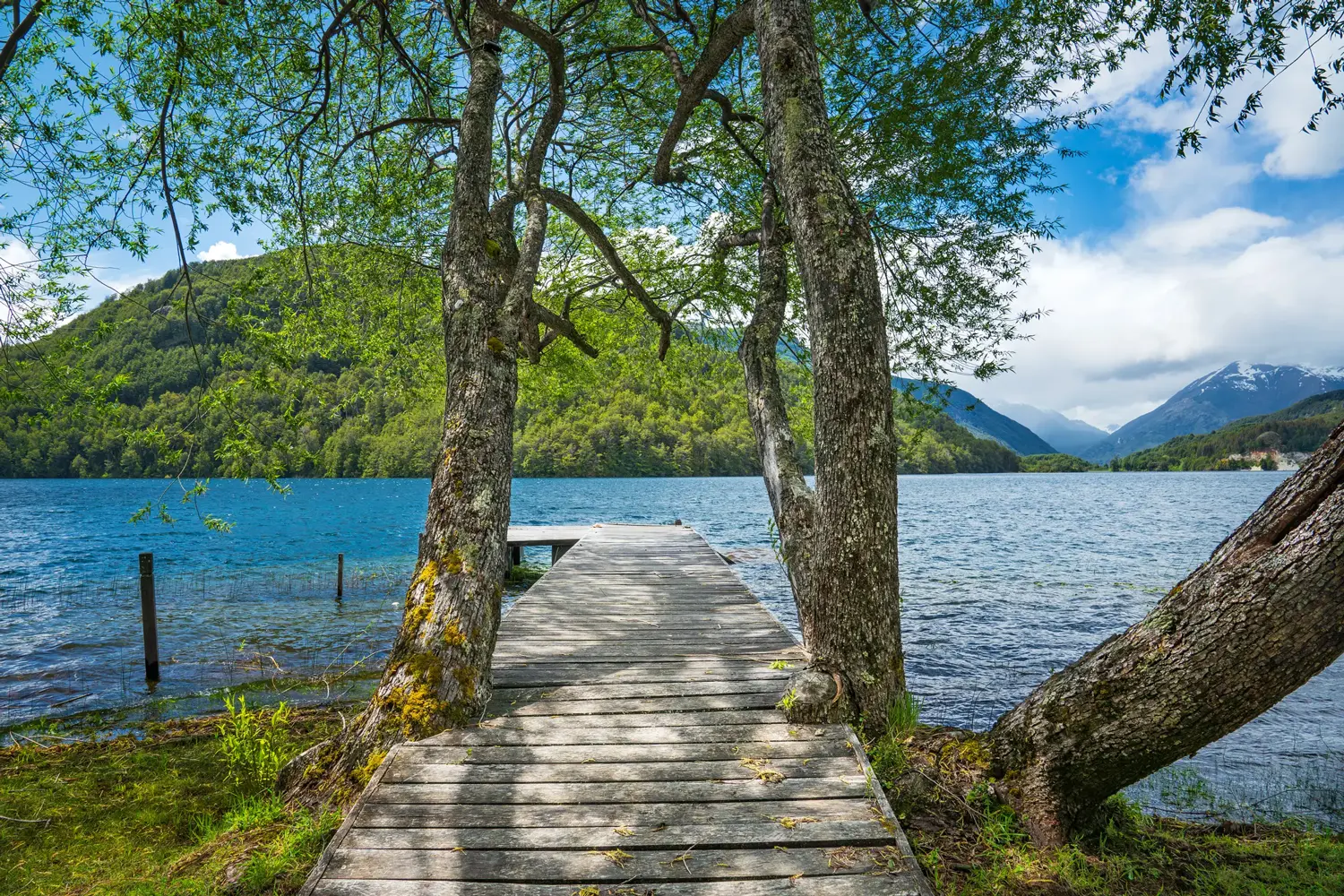
I’ve watched the same reaction happen enough times now that I can predict it. Guests arrive at the first lodge, right on a lake, open views of the water and the mountains behind it, stand-up paddle boards resting on the shore, that wide, grassy, sunlit kind of beautiful. And almost every time, somebody says some version of “I could just stay here the whole week. How is the next place possibly going to top this?”
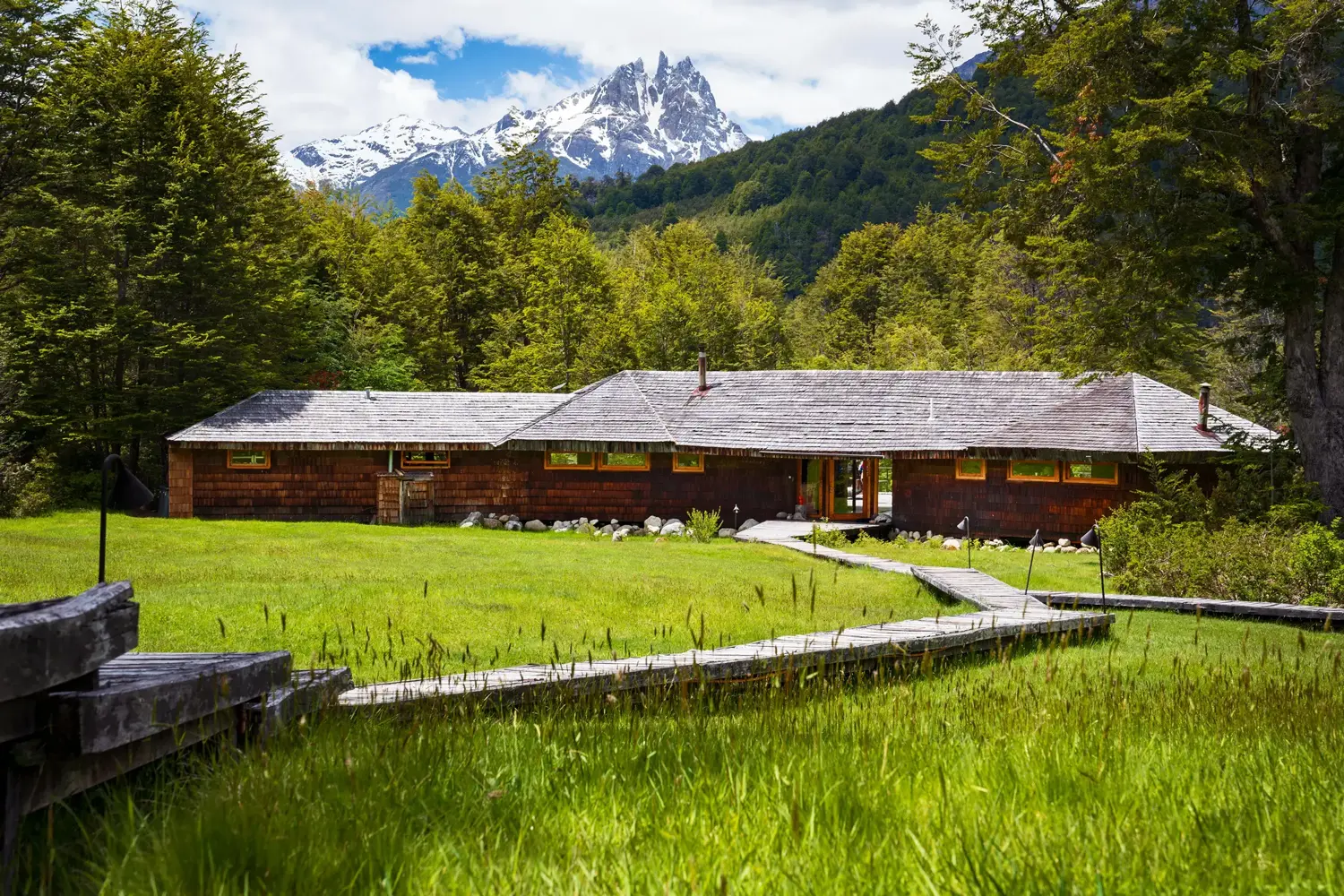
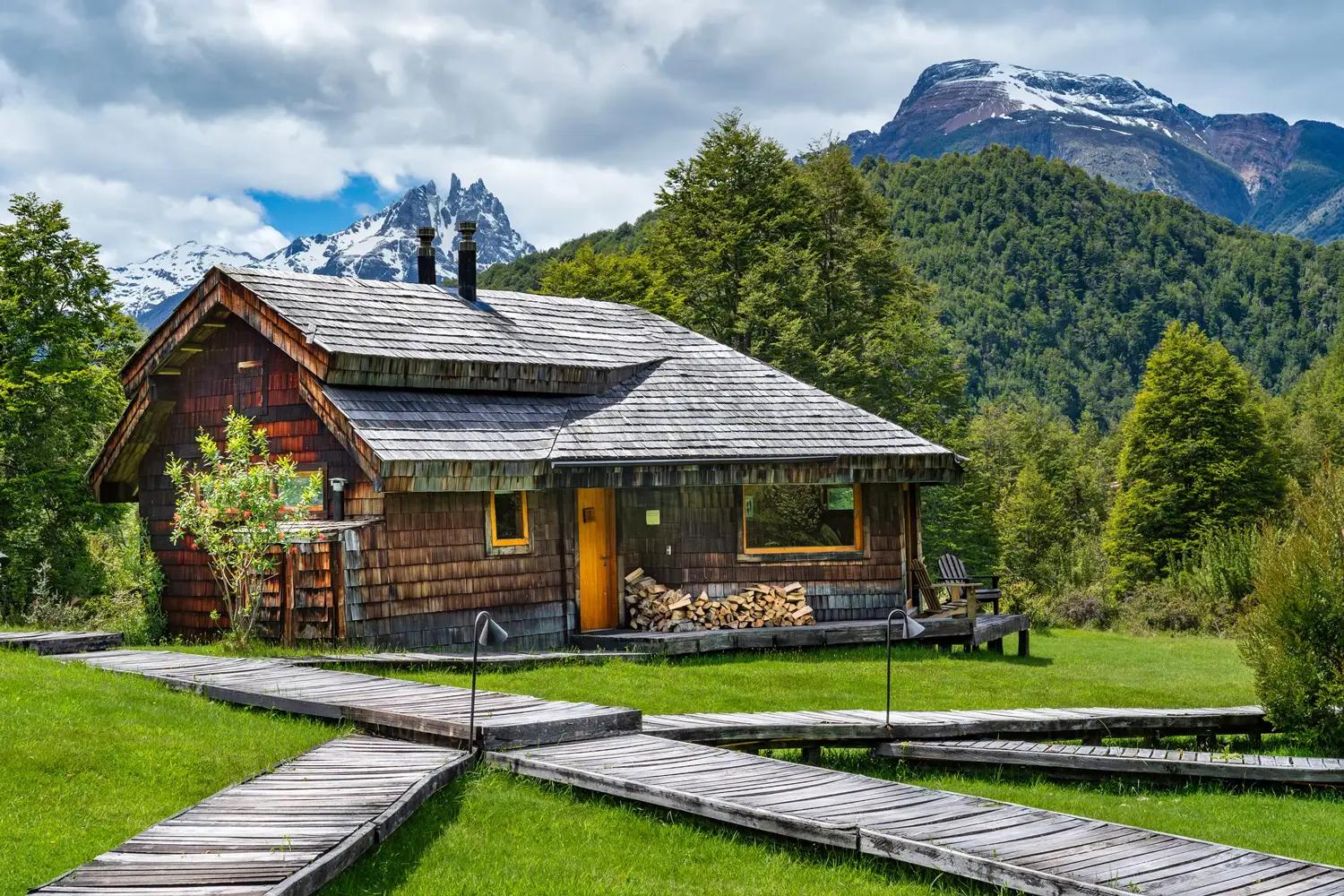
I tell them the truth: it’s not going to top it; it’s going to be completely different. The second lodge is tucked into old-growth forest, wooden boardwalks connecting the rooms, massive mountains in all directions, hot tubs and a sauna. It’s that close, wood-and-firelight feeling instead of open water and sky. By the end of that stay, the same guests who didn’t want to leave the first lodge are telling me I was right, that this one is just as special, in its own way.
Trying to describe both places in a brochure sentence never quite works. You have to feel the difference between paddle boarding on a lake at golden hour and sitting in a wood-fired hot tub surrounded by hundred-year-old trees and Teton-like mountains rising in the distance. Both are the trip. Neither one is the upgrade or the downgrade.
How You Actually Get From One Lodge to the Next
The part that surprises people most: changeover day doesn’t feel like a travel day at all.
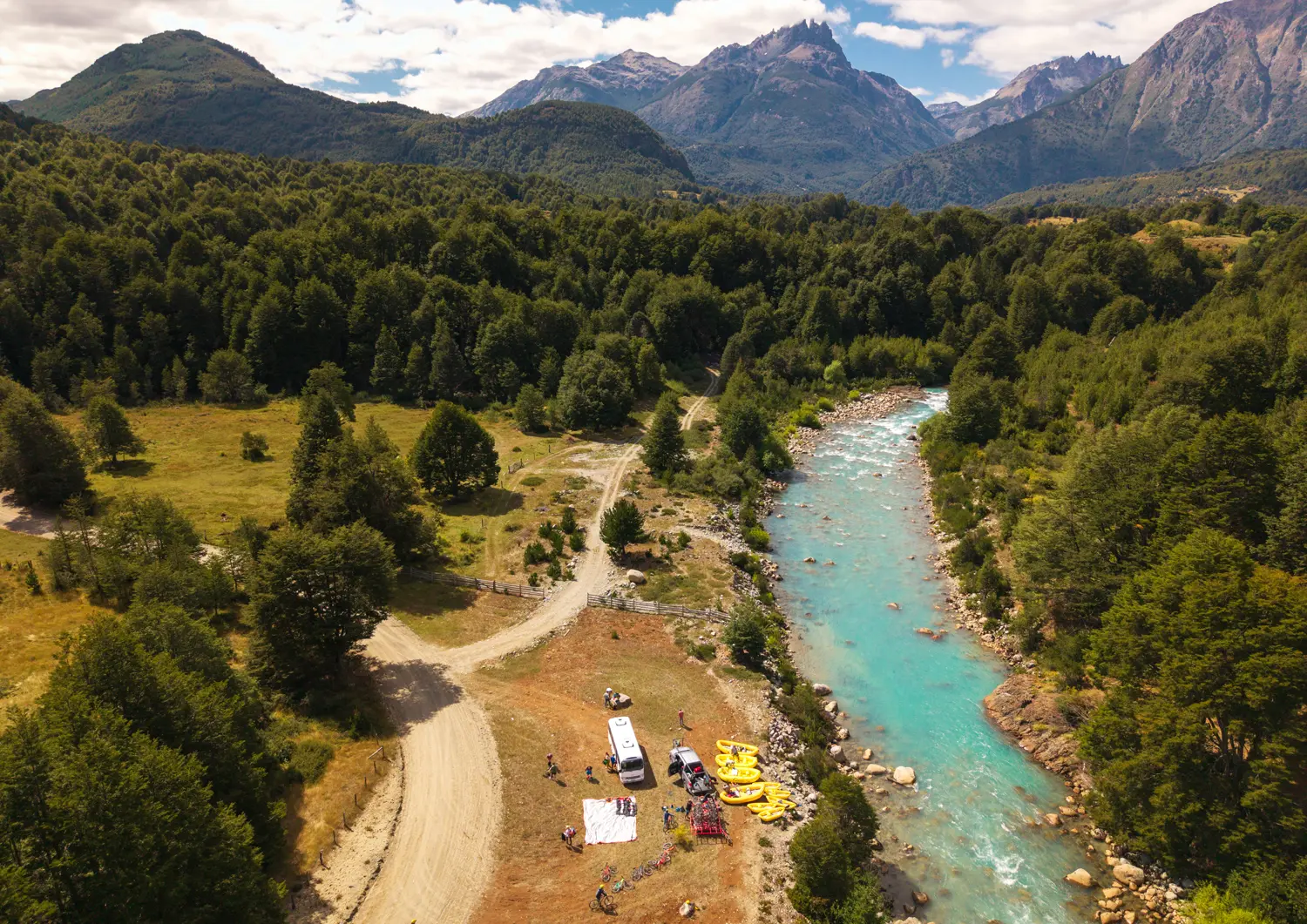
You have breakfast around nine; nothing brutal about the mornings on this trip. Then you load onto the bus around ten or ten thirty, already in your rafting gear or with your gear, suitcase handed off before you climb on. A short bus ride brings you to that day’s put-in. You spend the day on the river. And the bus is waiting for you at the takeout in the afternoon, ready to drive you to the next lodge.
The detail I’m actually proud of is how we’ve built the itinerary. The takeout on a changeover day sits about ten minutes from the next lodge. The river does the work of getting you there. You’re not spending a day in a van watching the scenery go by through a window; you’re rafting your way to your next bed. That’s not an accident. We have designed the whole week around minimizing the time you spend sitting in a vehicle and maximizing the time you spend outside, enjoying your day’s activity.
Why We Built It This Way
We didn’t start out running lodge to lodge. For years, Earth River ran a camping trip on the Futaleufú instead, four private camps, three set up along the river. And there were two major flaws with that model that eventually became impossible to ignore.
The first was water level. The Futaleufú is controlled by dam releases out of Argentina, and there is no flow forecast. Certain sections simply can’t be run at certain levels. On the camping trip, if the river came up too high, you were stuck. Not inconvenienced, stuck, because the only way out of camp was by raft. Some seasons that happened once. Rarely, it would happen for the entire week, and there just wasn’t enough to do at any one camp to fill the time. In one camp specifically: rock climbing, rappelling, cliff jumping, swimming, and hiking. All became inaccessible due to the rain; beautiful place. Bored guests.
Patagonia's Unpredictable Climate
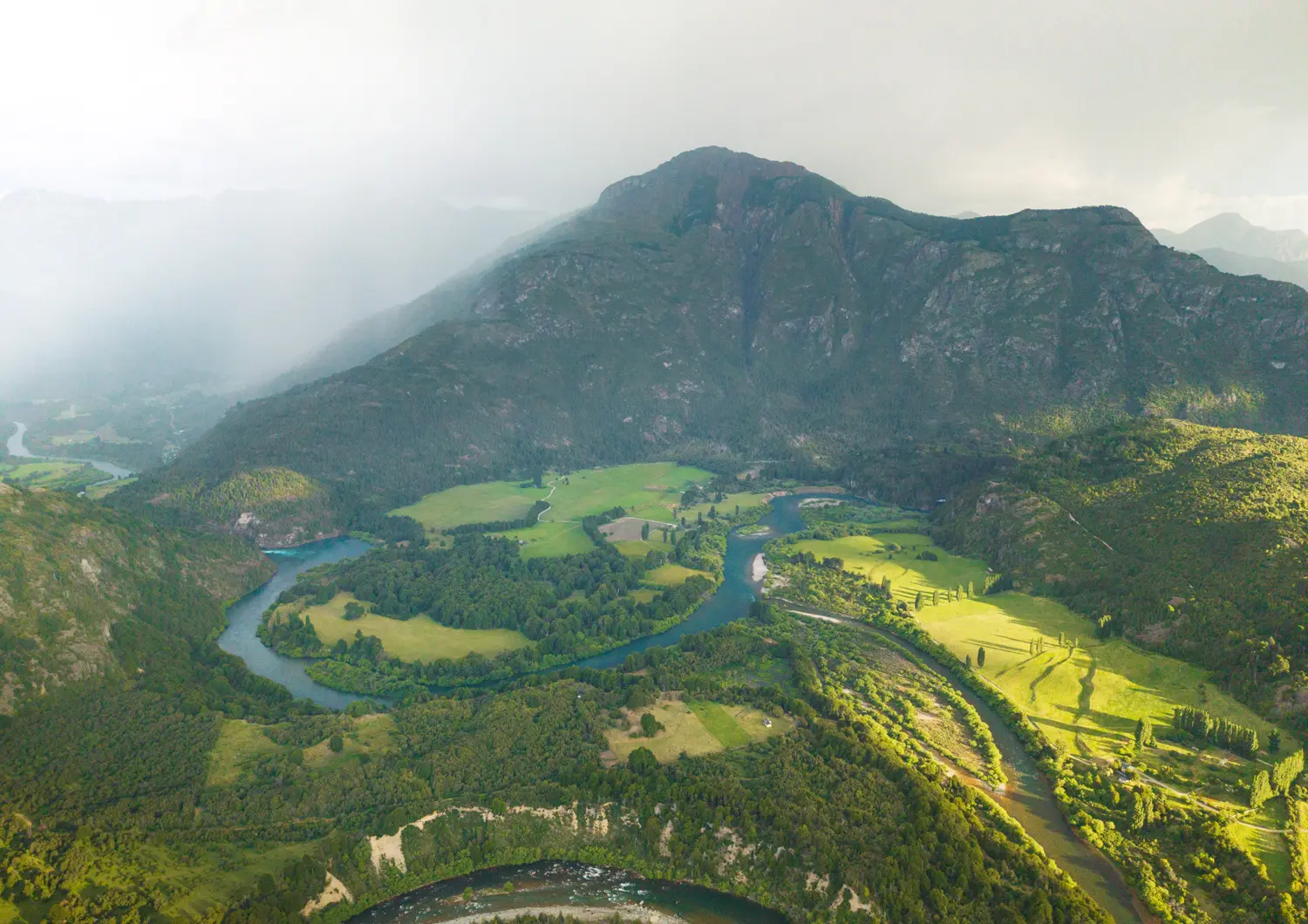
The second problem was Patagonia’s weather, which does not read the brochure either. It can be fifty degrees and raining in the middle of summer. On the camping trip, you’d raft, get back to camp, take a hot shower, and then walk back out into the cold to your tent, only to be wet and shivering all over again five minutes later. There’s only so much you can do to mitigate that while you’re camping.
Moving to a lodge-based trip solved both problems at once. If the river’s too high, the Futaleufú Valley has enough multi-sport terrain, biking, hiking, kayaking on the tributaries, that we can rebuild the day around something else entirely and it still feels like a full day, not a consolation prize. And when the weather turns, we can shorten the day, skip the riverside lunch, get everyone back to a warm room, a hot shower, and a proper meal in the main lodge. One bad-weather day doesn’t ruin anything. It used to. Now it barely registers.
I had a group two years ago that hit exactly that kind of week, cold, rainy, the river running high most days. By any measure, it should have been a rough trip. It wasn’t. Those same guests are coming back this year on a completely different itinerary than the one they experienced, but at the same lodges, because the week they had, weather and all, was still one of the best of their lives.
What This Actually Buys You
The thing I’d want a nervous first timer to understand isn’t about the rafting at all; it’s this: skipping a day doesn’t mean skipping the trip.
If you’re tired from travel, wiped out from the day before, or you’d simply rather read by the lake than raft that morning, you have the option to stay behind. The lodge is staffed. There’s food, there are drinks, there are hiking trails right on the property you can wander on your own schedule. We’re usually out from ten to somewhere between three and five, so even on a full activity day, you get a real chunk of the afternoon to yourself. On a standard river trip, you have to move downstream with the group every single day. Here, you don’t.
Two kinds of guests benefit most from that. The first is anyone who’s simply done sleeping on the ground, who wants a real bed and a real bathroom without giving up the adventure or the adrenaline. The second is the guest who couldn’t have come at all otherwise: families with a college kid who has an assignment due, a parent who needs to take one work call mid-week. The lodges have Wi-Fi, and for some families, that one detail is the difference between coming to Patagonia and not.
The Real Point of It
If you strip away the itinerary and the logistics, multi-lodge comes down to one idea: you shouldn’t have to gamble your vacation on Patagonian weather.
Summer here doesn’t mean guaranteed sun; that’s part of what keeps this valley so green, so close to a temperate rainforest. But whether it’s eighty and clear or fifty and pouring, the trip holds up either way. That’s not a marketing line. It’s the entire reason we rebuilt this trip from the ground up, and it’s the reason a group that got rained on for most of a week is coming back to do it again.
If this sounds like the kind of trip you’d want, the full itinerary, lodge details, and dates are on our Futaleufú multi-lodge trip page.